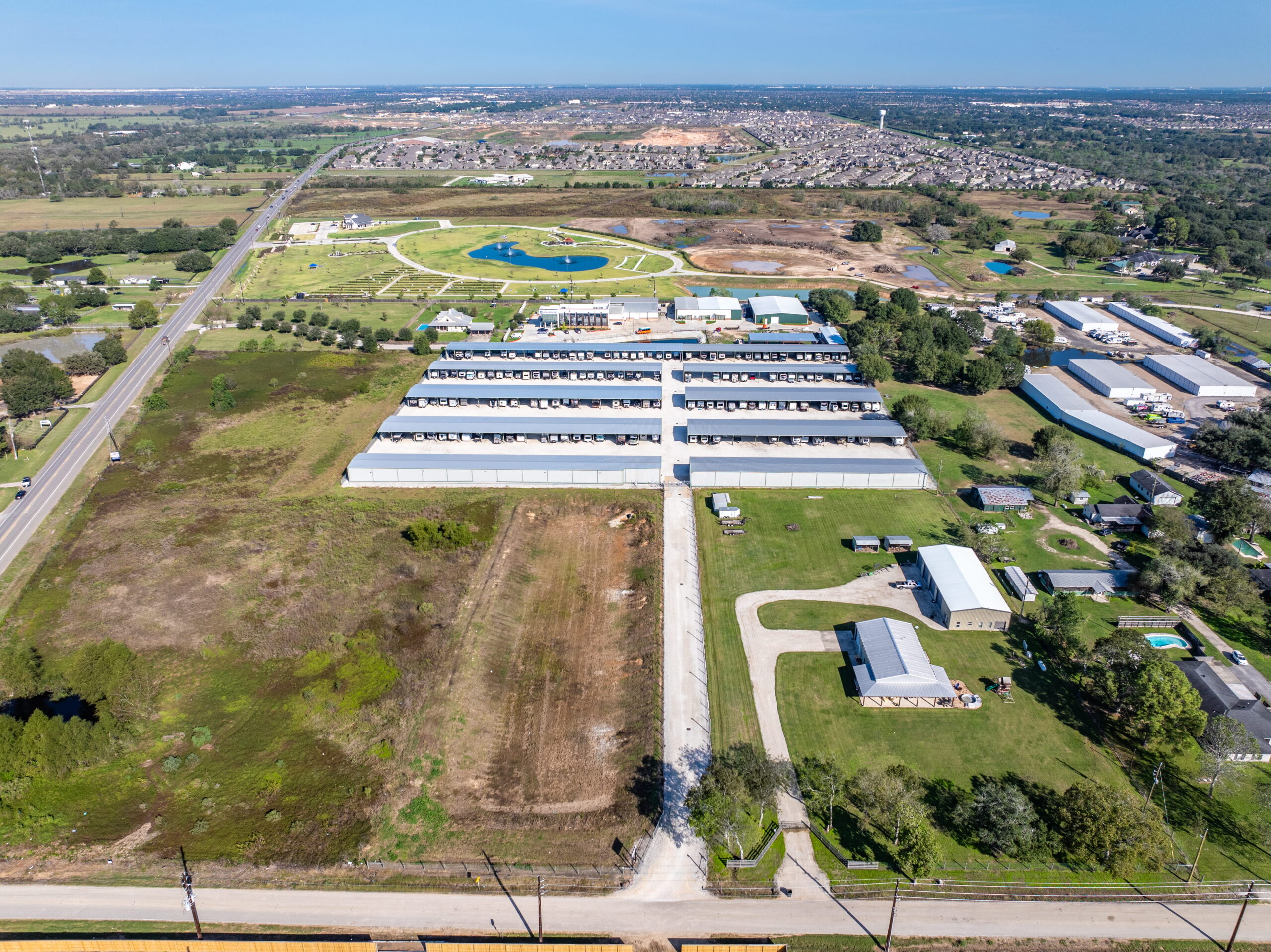
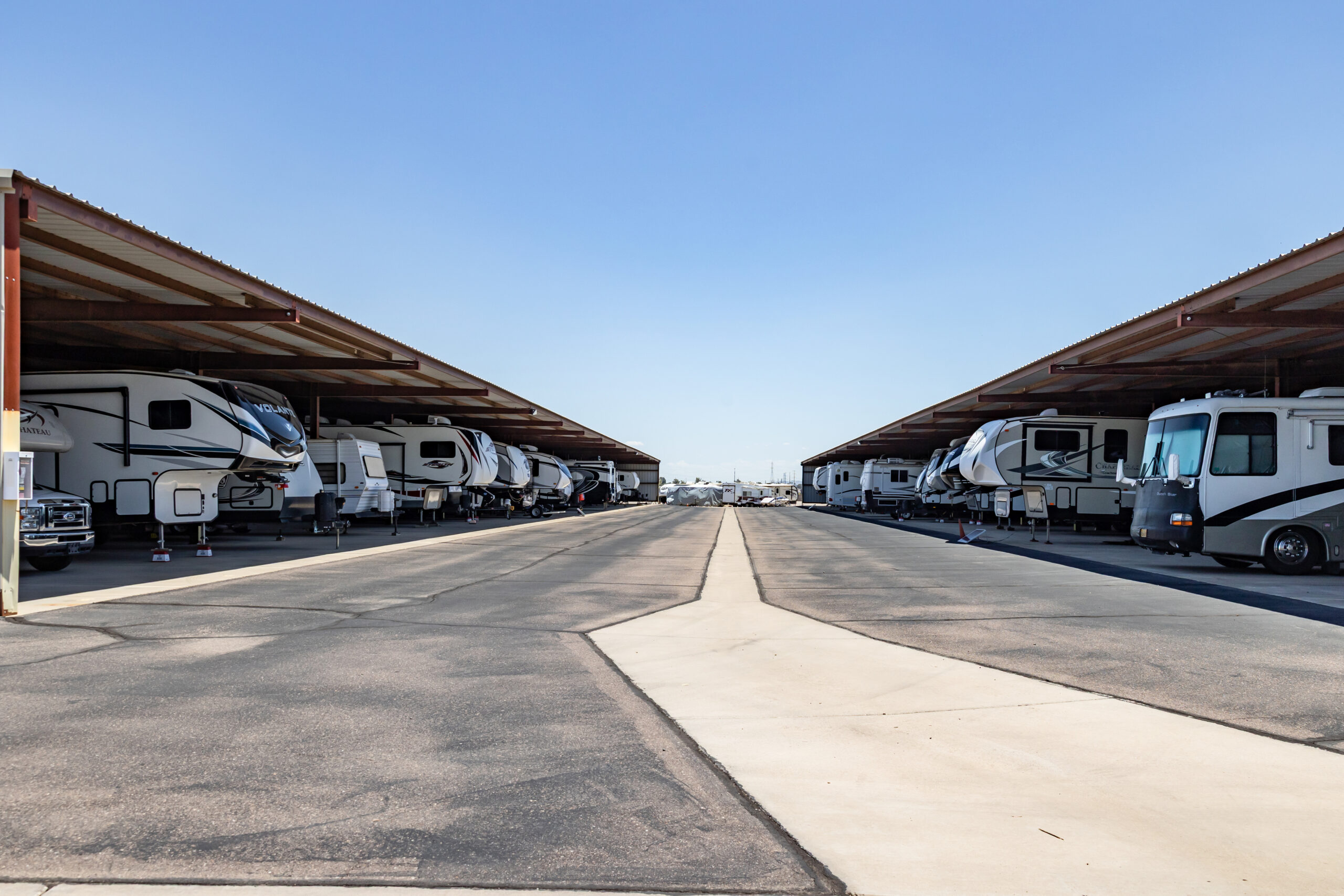
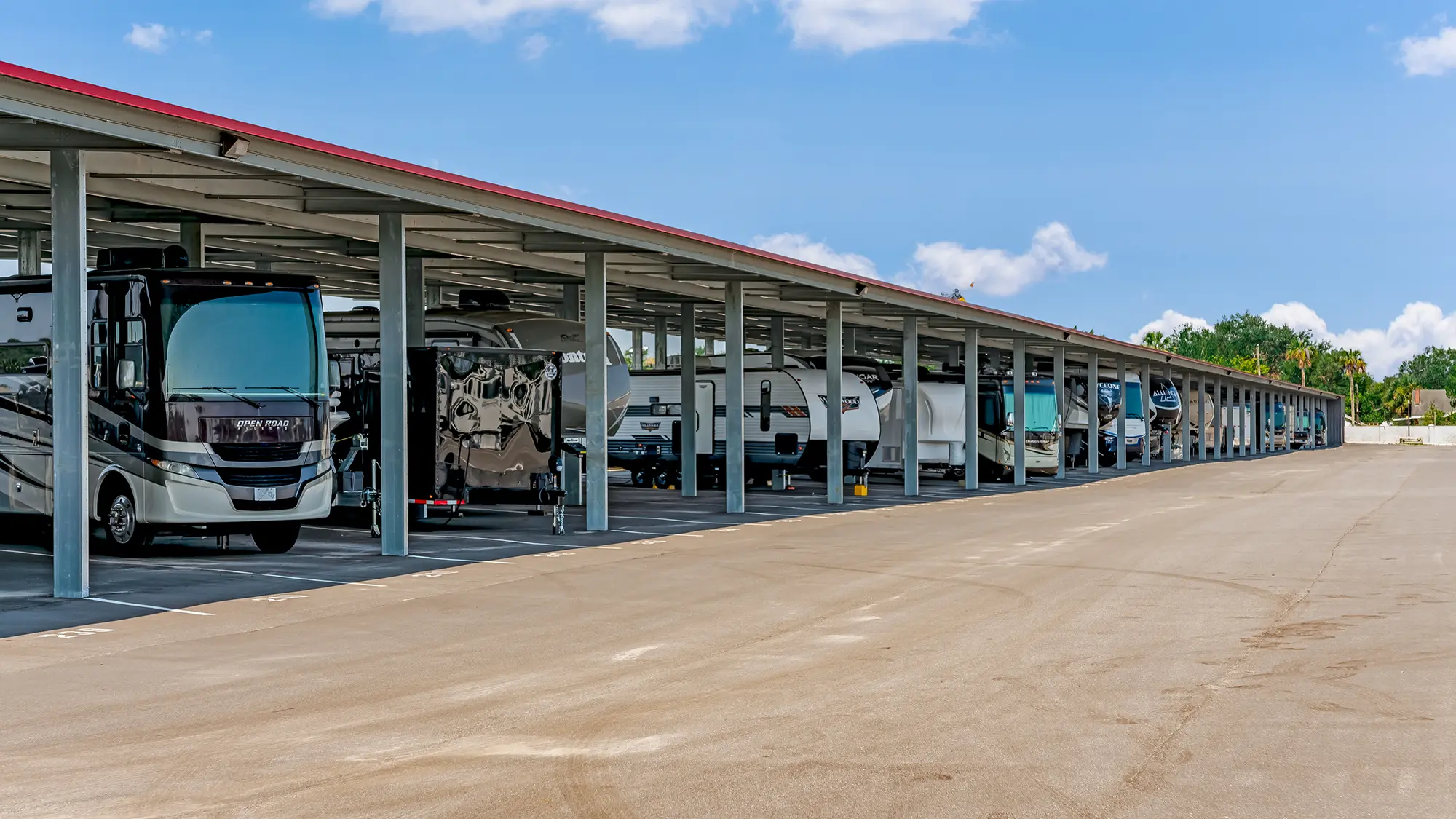
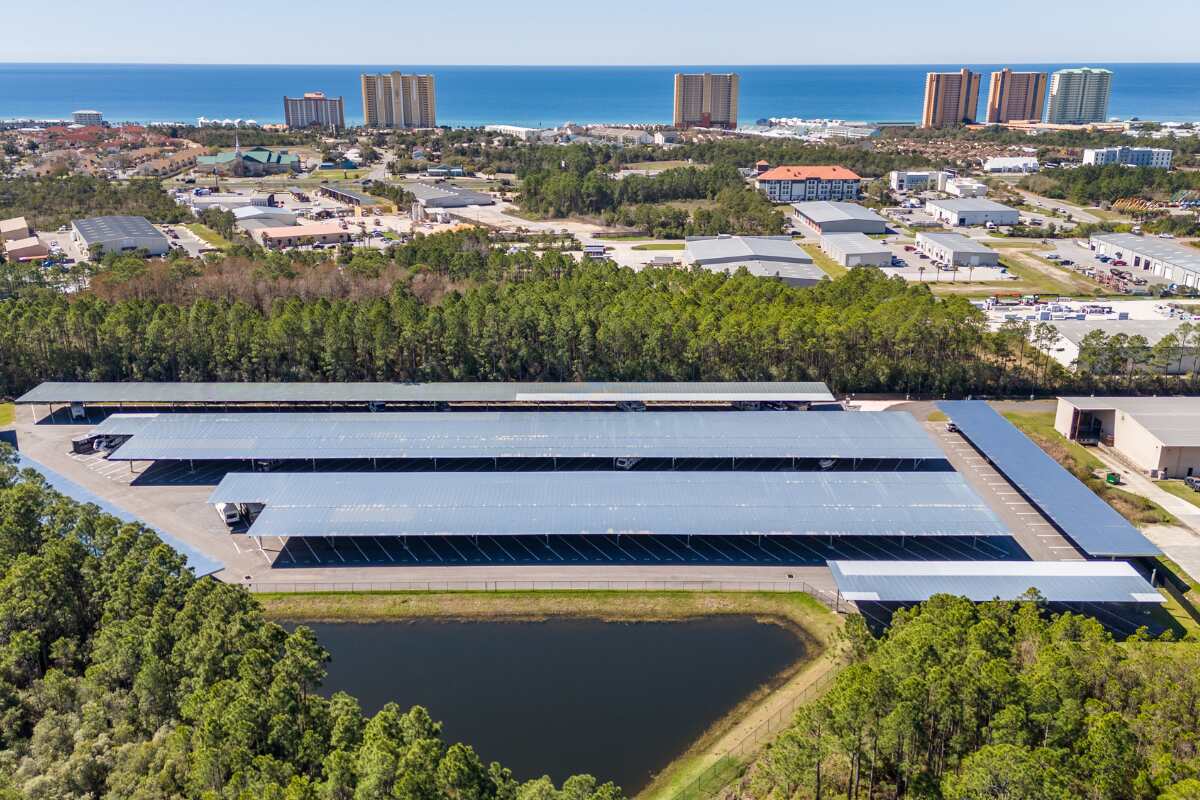
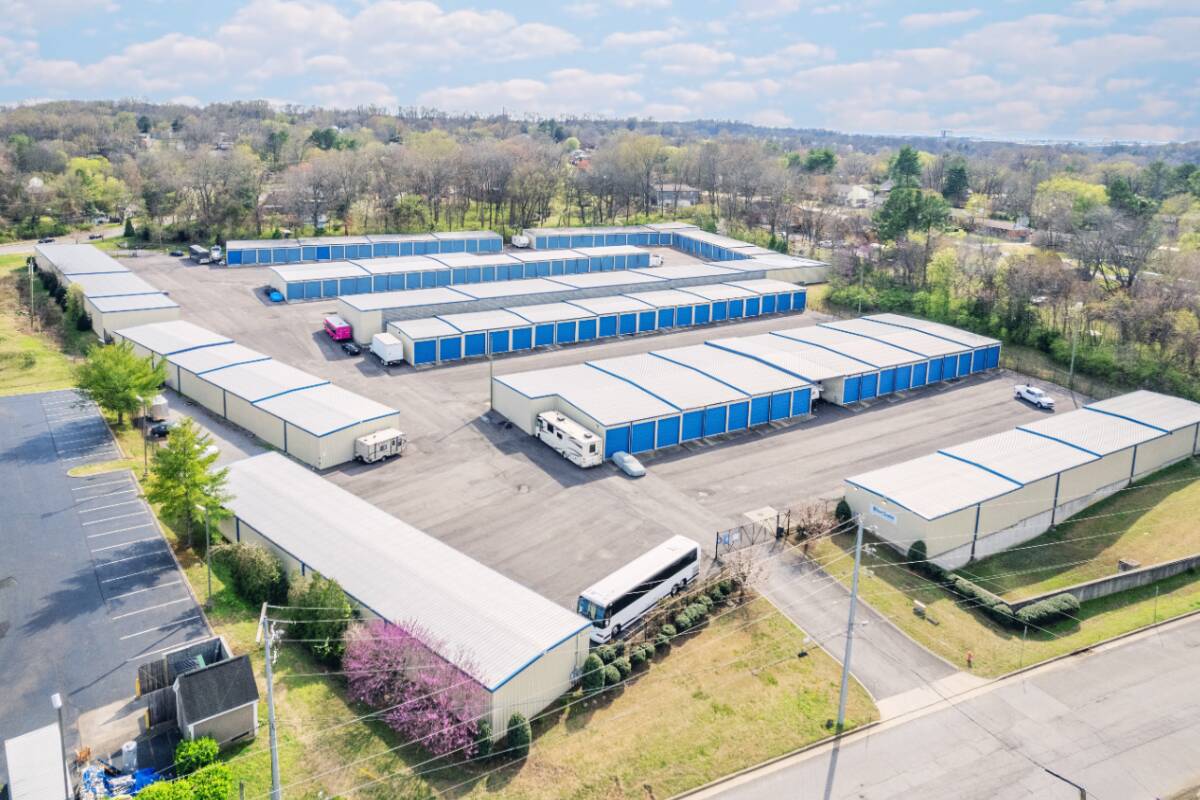
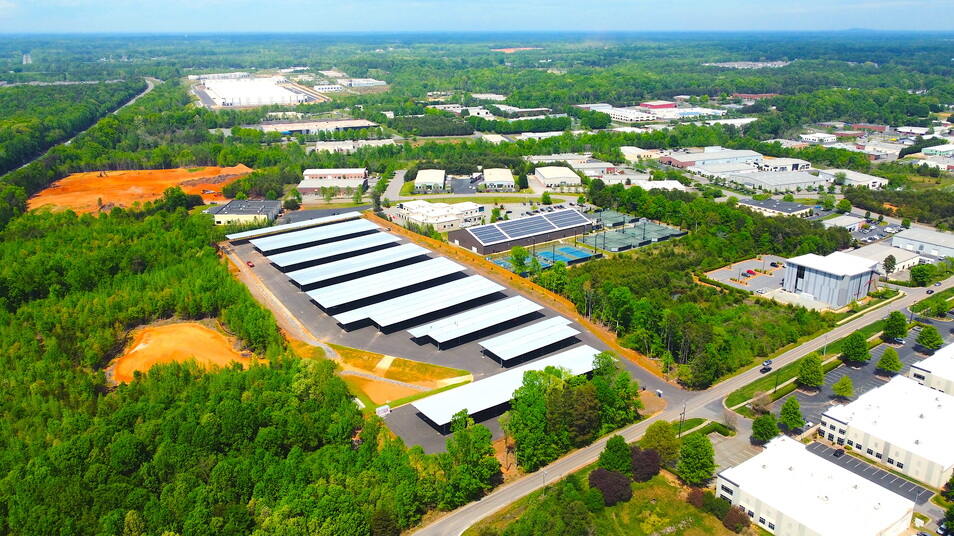
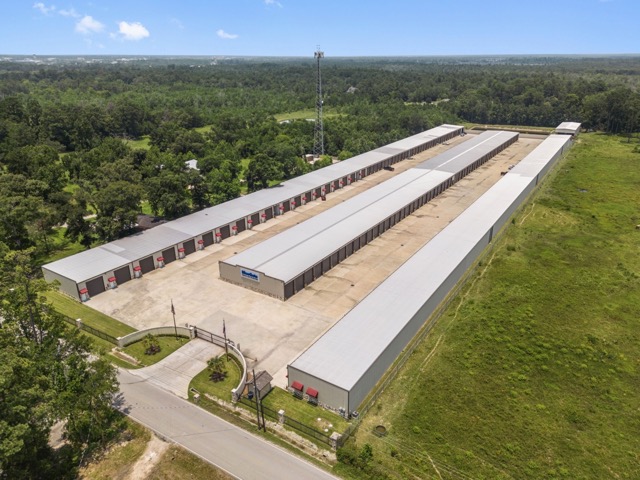
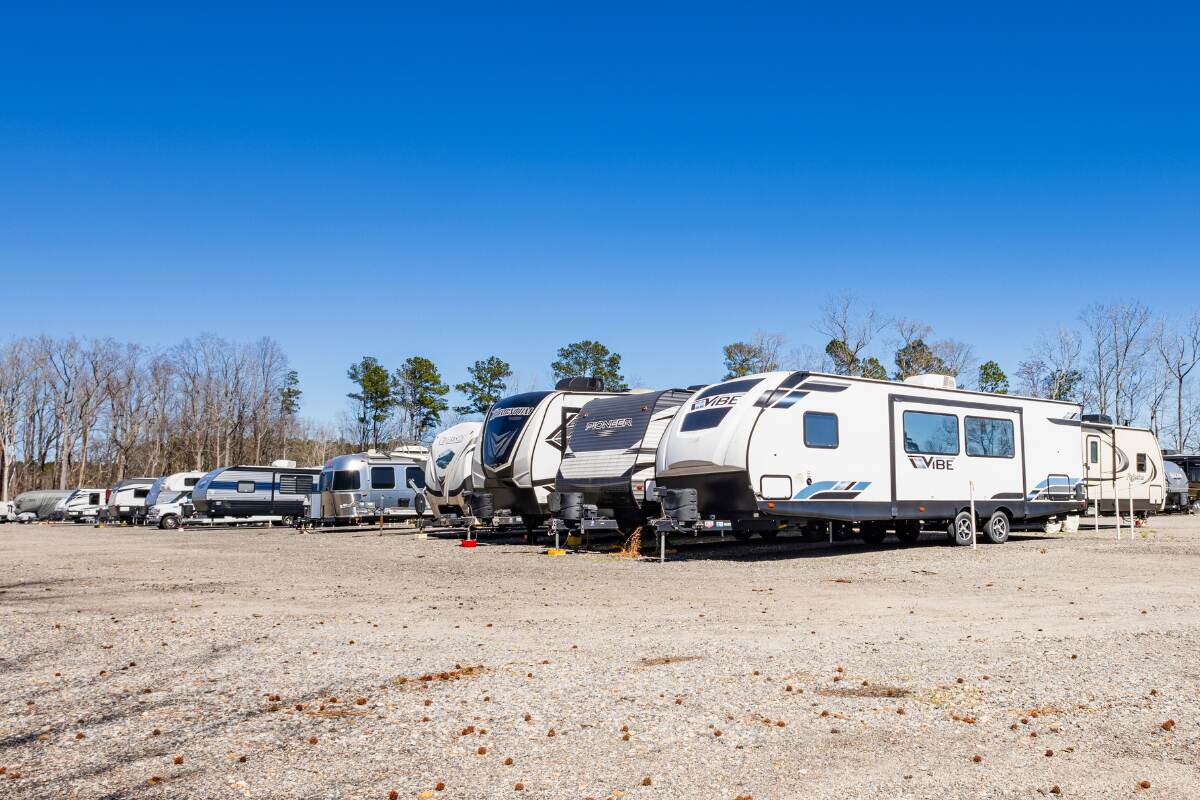
Parking Spaces Available
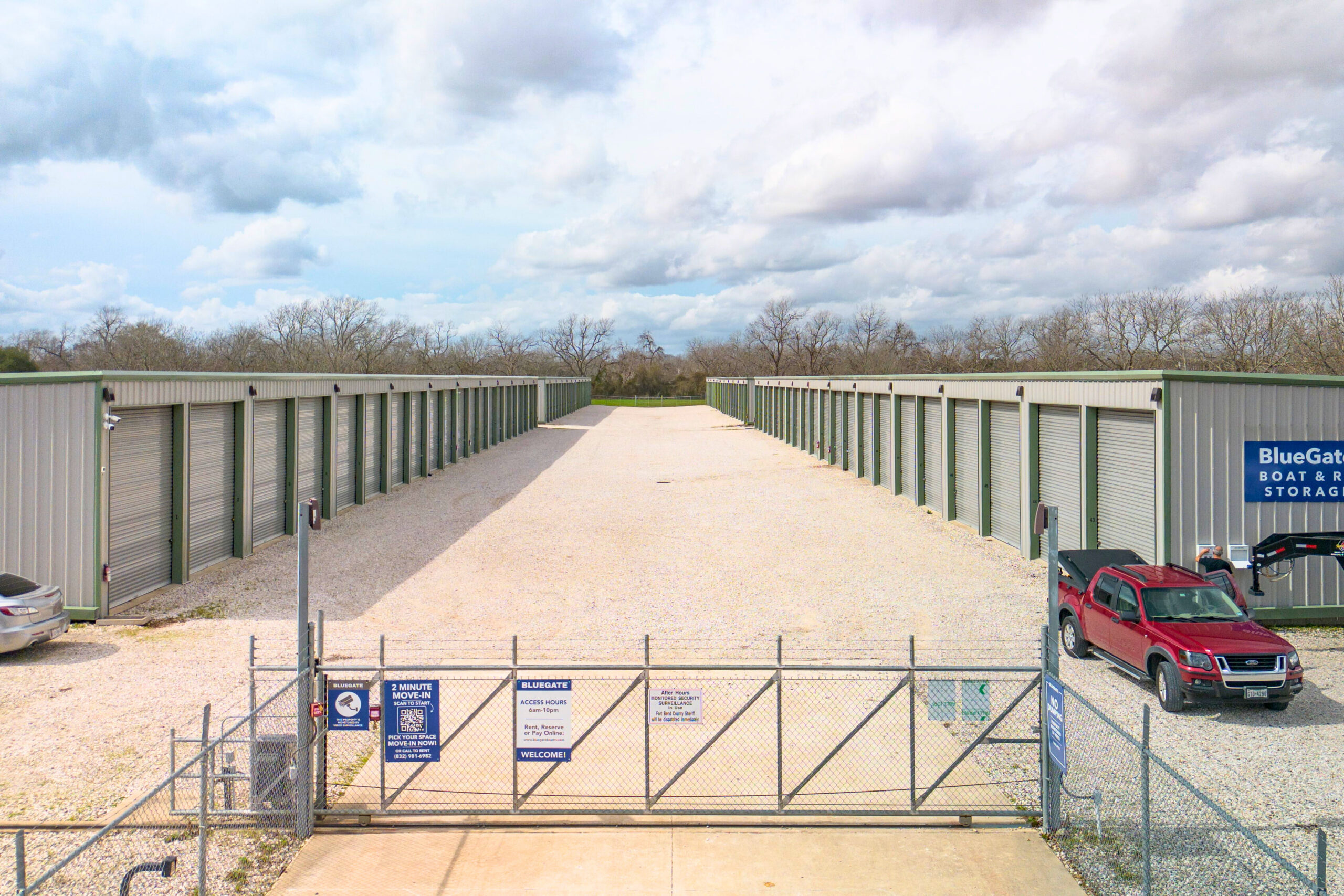
 Drive-Up Storage Units
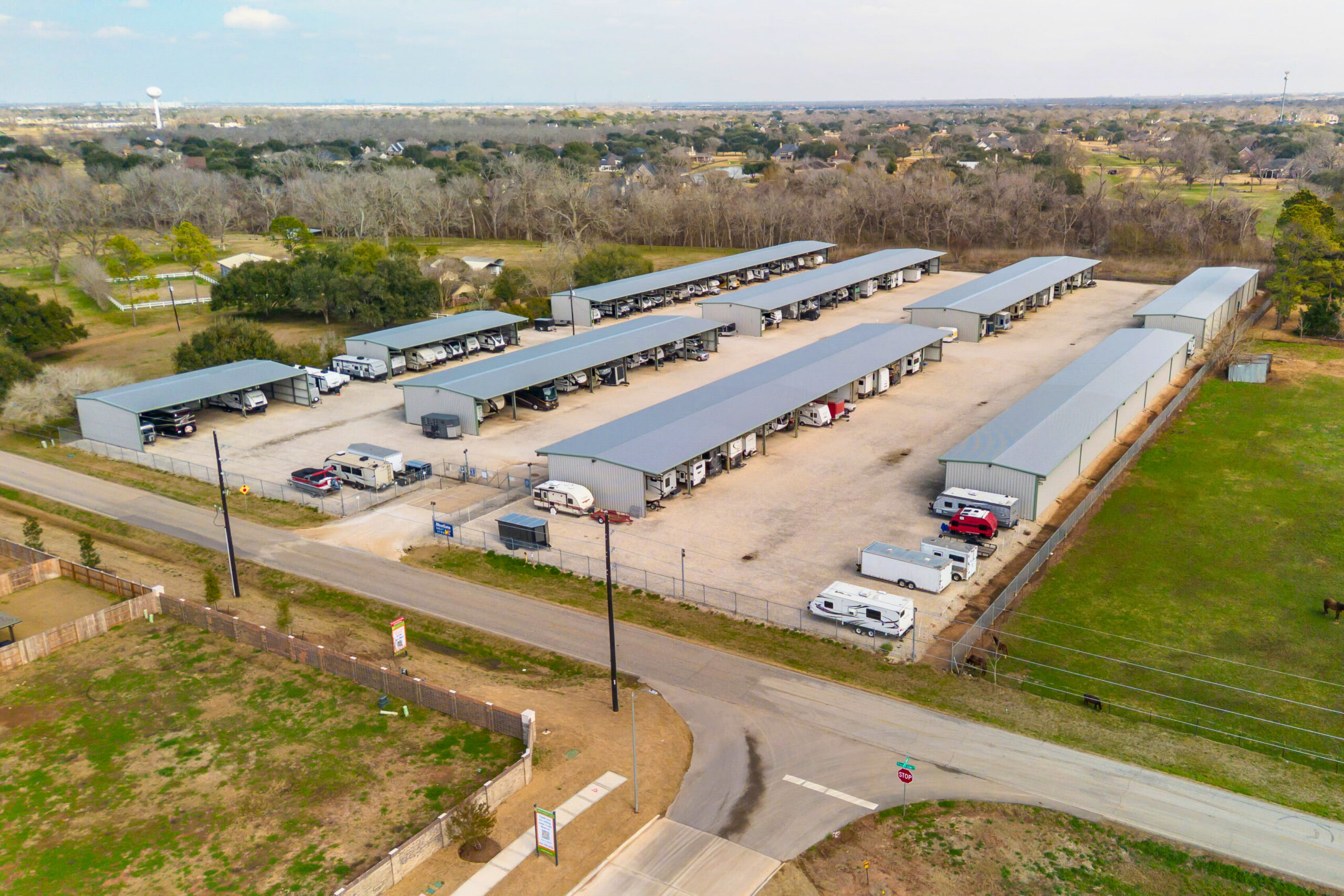
Parking Spaces Available
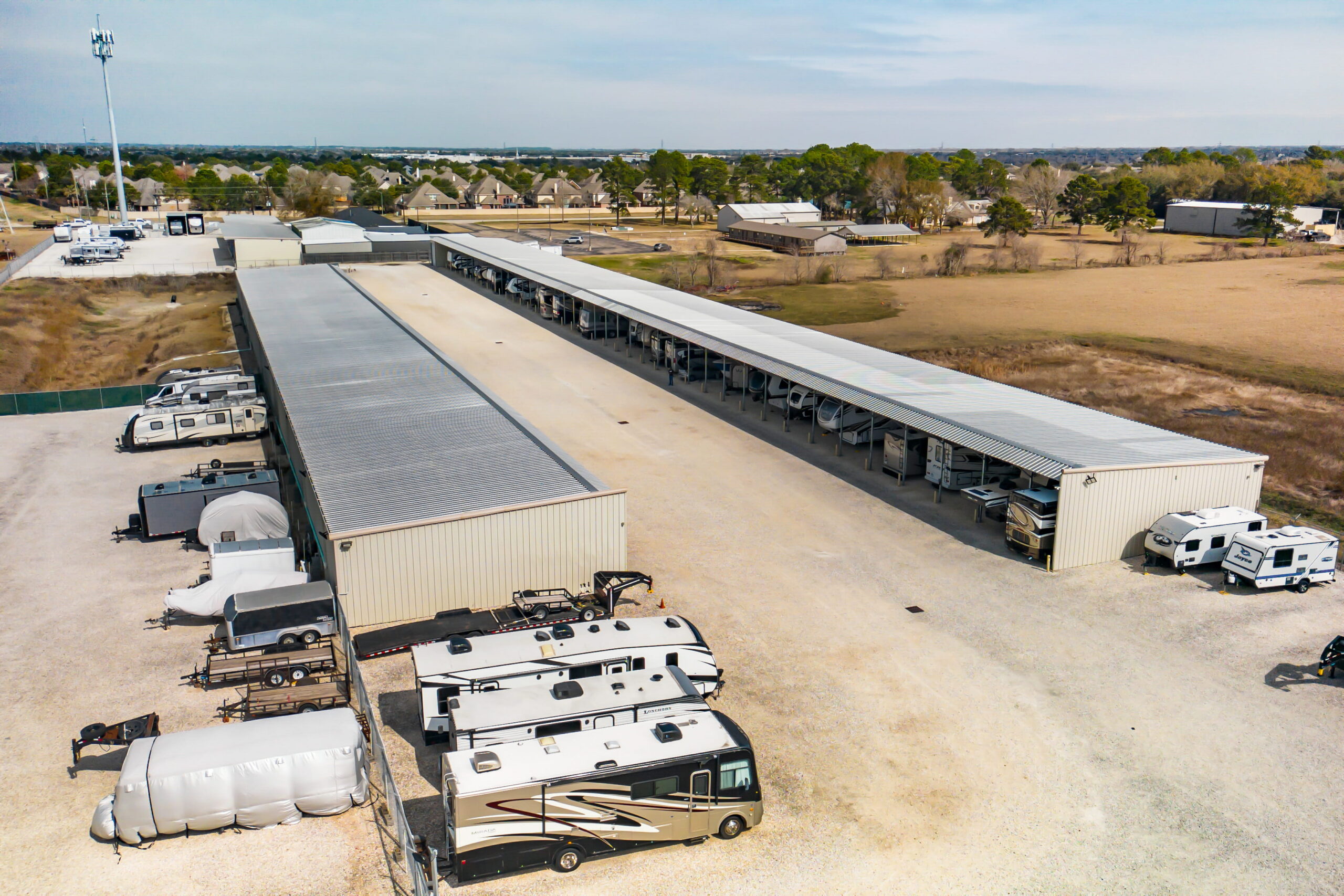
Parking Spaces Available
Buying the boat or the camper is the fun part. Figuring out where to keep it is where a lot of Conroe owners get stuck. The HOA sends a letter, the garage door is two feet too short, or the trailer tires crack after one summer in the driveway. Sooner or later, most owners start looking at storage.
This guide covers what to think about before you rent a space: which type of storage makes sense in this climate, how to measure, what to look for on a tour, and how to prep your boat or RV so it’s ready when you are.
Plenty of owners start out keeping everything at home. It usually stops working for one of a few reasons:
If any of these sound familiar, storage will likely save you money and aggravation over the long run.
Guessing at size is the most common storage mistake. A space that looks big enough on paper can be tight once you add the trailer tongue or the tower. Measure these before you reserve anything:
The best storage spot is the one that fits the way you actually use your boat or RV. Before choosing a facility, think about the trips you take most.
If most weekends end at the lake, a space that keeps you off the most crowded stretches of TX-105 on a Saturday morning is worth a lot. If your RV mostly heads north into the forest or out on I-45 for longer trips, easy highway access matters more. Picking up the rig is only half of it.
Access hours count too. Anglers who launch at sunrise and families who come back late on Sunday night need a gate that opens early and closes late.
A quick walk around a facility tells you a lot. Bring this checklist:
A little prep before you park keeps small problems from turning into expensive ones, especially in heat and humidity.
This is the busiest season for pulling boats and campers out of storage. Plan a full check before the first trip: tires, batteries, roof seals, and the engine. Pine pollen shows up in March and April, so enclosed storage or a good cover saves a lot of washing.
Heat is the biggest threat to a stored rig. Batteries drain faster and interiors get extremely hot, so check on your boat or RV every few weeks. If it’s parked outdoors, tire covers and a breathable cover make a real difference.
Many owners wait until a storm is in the forecast to look for a secure spot, and by then options can be limited. If you usually keep your boat at a lake slip or your RV at home, arrange storage before summer. Take dated photos of your boat, RV, and trailer each year for insurance.
After the summer rush, fall is a good time to deep clean, handle repairs, and switch to a long-term storage setup if you won’t use the rig much until spring.
Winters are usually mild, but hard freezes still happen. Drain or winterize water lines in RVs and make sure no water is left in the boat’s engine or plumbing when temperatures drop into the 20s.
How often you use your boat or RV should shape what you look for.
If you go out most weekends, focus on convenience. Look for long access hours, easy in-and-out, wash and dump stations, and power so the rig stays charged and ready.
If it sits for months at a time, focus on protection. Enclosed storage, moisture control, and pest prevention matter most, along with a facility you trust to keep an eye on things.
Let your insurance company know where your boat or RV will be stored. Some policies treat stored, off-season, or enclosed vehicles differently, and it’s worth asking whether that affects your coverage or your rate. Keep a copy of your storage agreement with your policy paperwork.
BlueGate’s location on Sleepy Hollow Road was built for boat and RV owners. It has enclosed garage bays with high doors, power, and wash and dump stations on site, plus month-to-month rentals. See available units and pricing at BlueGate Conroe.
Is enclosed storage worth the extra cost in Texas?
For many owners, yes. Sun, heat, humidity, and pollen wear down gelcoat, vinyl, rubber seals, and tires quickly. Enclosed storage slows all of that, which can save money on repairs and help resale value.
How do I know what size storage space I need?
Measure overall length including the trailer tongue and motor, height to the tallest point such as a tower or rooftop AC, and width including mirrors. Then add a few feet so you have room to walk around and back in easily.
How often should I check on a stored boat or RV?
Every few weeks during summer is a good habit. Look at the batteries, tires, and interior for moisture or pests. If you have power and a battery tender, you can check a bit less often.
Should I store my boat with a full or empty fuel tank?
Most owners store with a mostly full tank treated with fuel stabilizer. Less air space in the tank means less condensation, which matters in humid weather.
When should I reserve storage?
Before you need it. Spring and the start of hurricane season are busy times, so reserving ahead gives you more choices on size and type.